
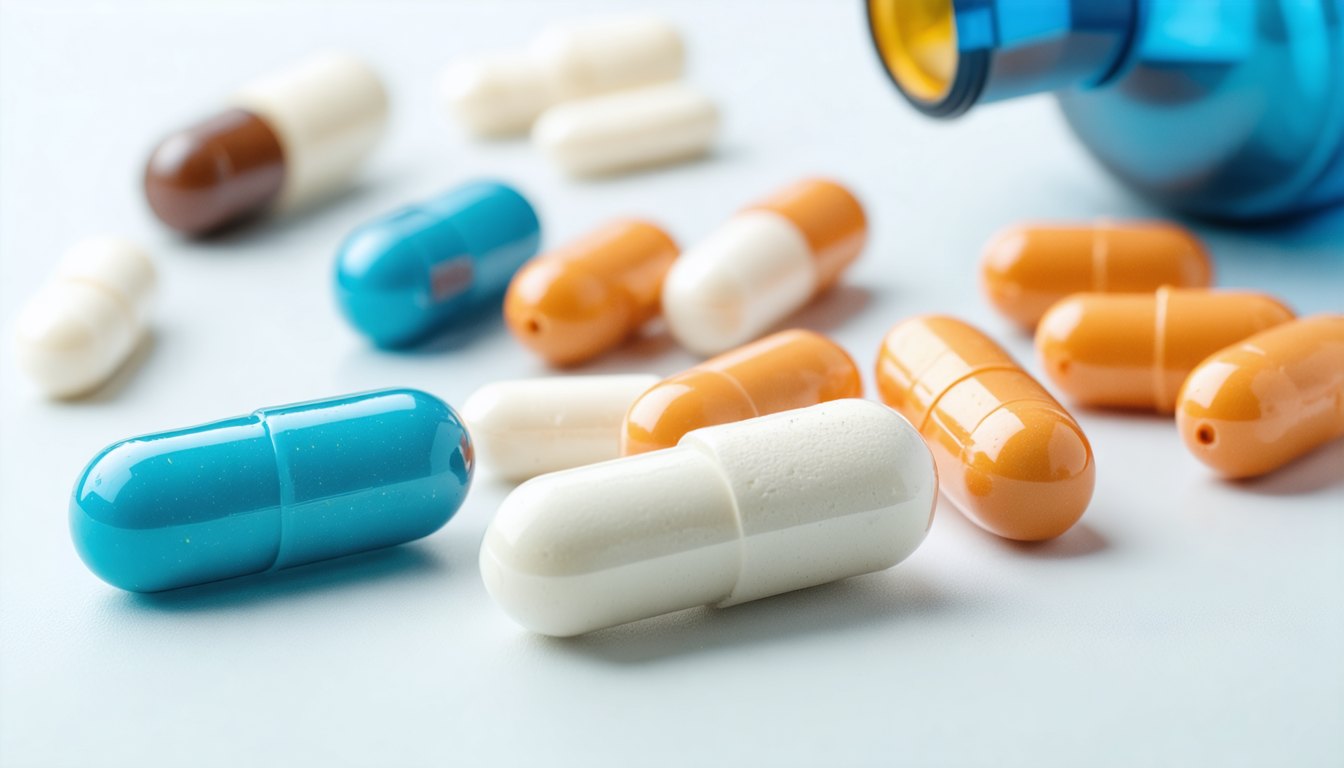
Potency improvement supplements
Disclaimer: This article provides educational information about potency improvement supplements and is not a substitute for consultation with a qualified healthcare professional. If you experience persistent erectile difficulties or other sexual health concerns, seek personalized medical advice.
Basics: what it is
Potency improvement supplements are dietary supplements, herbal preparations, vitamins, minerals, or other non-prescription products marketed to support erectile function, libido, or overall male sexual performance. They differ from prescription medications for erectile dysfunction (ED) in that they are usually sold over the counter and are regulated as food supplements rather than drugs in many countries.
Common ingredients include:
- L-arginine and L-citrulline (amino acids involved in nitric oxide production)
- Panax ginseng
- Maca root
- Zinc
- Tribulus terrestris
- Yohimbine (in some regions, regulated)
On our site, related public health updates are covered in the News section, while event-based awareness campaigns on men’s health can be found under Events.
How nitric oxide is involved in erections
Erection is a vascular event. Sexual stimulation triggers nitric oxide (NO) release in penile tissue, relaxing smooth muscle and increasing blood flow. Some supplements claim to enhance NO production through amino acids like L-arginine. However, the clinical effect varies and is generally modest compared to approved medications.
Dietary supplements vs. prescription drugs
Prescription ED medications (e.g., PDE5 inhibitors) undergo rigorous clinical testing for efficacy and safety. Supplements are not required to demonstrate the same level of evidence before marketing. Quality, dosage accuracy, and purity may differ between brands.
Symptoms and signs
Potency improvement supplements are typically used when a person experiences symptoms such as:
- Difficulty achieving an erection – Inability to obtain sufficient rigidity for intercourse.
- Difficulty maintaining an erection – Erection subsides before or during sexual activity.
- Reduced libido – Decreased sexual desire, which may or may not be linked to hormonal factors.
- Performance anxiety – Psychological stress affecting sexual performance.
- Fatigue-related sexual decline – Reduced energy impacting sexual activity.
Occasional erectile difficulty is common and does not necessarily indicate erectile dysfunction. Persistent symptoms lasting several weeks or months warrant medical evaluation.
When is it considered erectile dysfunction (ED)?
ED is typically defined as the consistent inability to achieve or maintain an erection sufficient for satisfactory sexual performance. Clinical definitions often require symptoms to persist for at least three months.
Similar conditions: how to differentiate
Not all sexual performance issues are caused by the same underlying condition. Differentiating between them is essential.
| Condition | Main Feature | Key Difference |
|---|---|---|
| Erectile dysfunction (ED) | Inability to achieve/maintain erection | Primarily vascular, neurological, hormonal, or psychological causes |
| Low testosterone (hypogonadism) | Low libido, fatigue | Confirmed by blood test showing low testosterone levels |
| Premature ejaculation | Early ejaculation | Erection may be normal; issue is timing |
| Depression-related sexual dysfunction | Reduced desire and arousal | Accompanied by mood symptoms |
More detailed explanations of men’s health terminology are available in our DLM FAQ section.
Psychogenic vs. organic ED
Psychogenic ED is often situational and may occur suddenly, sometimes with preserved morning erections. Organic ED (vascular, diabetic, post-surgical) tends to be gradual and persistent across situations.
Diagnosis
Before considering potency improvement supplements, proper evaluation is recommended. Healthcare providers may assess:
- Medical history (cardiovascular disease, diabetes, hypertension)
- Medication review (some drugs affect sexual function)
- Lifestyle factors (smoking, alcohol use, obesity, physical inactivity)
- Blood tests (glucose, lipid profile, testosterone)
- Blood pressure and cardiovascular status
ED can be an early marker of cardiovascular disease. Therefore, self-treatment without evaluation may delay identification of serious conditions.
Why cardiovascular screening matters
Penile arteries are smaller than coronary arteries. Vascular impairment may appear as erectile dysfunction before heart disease becomes symptomatic. This makes ED a potential early warning sign.
What usually helps
Management of erectile concerns often involves a combination of lifestyle measures, psychological support, and medical therapy rather than relying solely on supplements.
Lifestyle measures
- Regular aerobic exercise
- Weight management
- Smoking cessation
- Limiting alcohol intake
- Balanced diet (Mediterranean-style patterns)
Evidence-based medical options
- Prescription PDE5 inhibitors (under medical supervision)
- Testosterone therapy (only for confirmed deficiency)
- Psychosexual therapy for performance anxiety
Role of potency improvement supplements
Some supplements may offer mild benefit in selected individuals, particularly when deficiency (e.g., zinc) or mild endothelial dysfunction is present. However:
- Clinical evidence varies in quality.
- Effects are generally smaller than prescription treatments.
- Some products may contain undeclared pharmaceutical ingredients.
Regulatory alerts and safety communications are periodically discussed in our Uncategorized health updates and News posts when relevant.
Safety concerns and hidden ingredients
Health authorities such as the U.S. FDA and European regulators have reported cases where “natural” sexual enhancement supplements contained undeclared PDE5 inhibitors. These can pose serious risks, especially in people taking nitrates for heart disease.
Interactions to be aware of
Some herbal components (e.g., yohimbine) may increase heart rate or blood pressure. Supplements can also interact with antihypertensives, antidepressants, and anticoagulants. Always disclose supplement use to your healthcare provider.
FAQ
1. Are potency improvement supplements effective?
Some ingredients show modest benefit in small studies, but results are inconsistent. They are not equivalent to approved ED medications in terms of proven efficacy.
2. Are “natural” supplements safer?
Not necessarily. “Natural” does not always mean safe. Quality control, contamination, and interactions remain concerns.
3. Can supplements increase testosterone?
Only in cases of specific nutrient deficiency might correction improve levels. Most over-the-counter products do not significantly raise testosterone in healthy men.
4. How long do they take to work?
Effects, if present, may take weeks rather than hours. Unlike prescription ED medications, most supplements are not fast-acting.
5. Can young men use them?
Young men with persistent erectile issues should be medically evaluated. Psychological factors are common in this group.
6. Are they suitable for people with heart disease?
Individuals with cardiovascular disease should consult a physician before using any sexual enhancement product.
7. Do they cure erectile dysfunction?
No supplement is proven to cure ED. Management focuses on addressing underlying causes and risk factors.
8. Should I combine supplements with prescription medication?
Combination use should only occur under medical supervision due to potential interactions and additive effects.
Sources
- National Institute of Diabetes and Digestive and Kidney Diseases (NIDDK) – Erectile Dysfunction
- American Urological Association (AUA) – Erectile Dysfunction Guidelines
- European Association of Urology (EAU) – Guidelines on Sexual and Reproductive Health
- U.S. Food and Drug Administration (FDA) – Tainted Sexual Enhancement Products
- National Institutes of Health (NIH) Office of Dietary Supplements